
Storing Samanu in the Fridge and Freezer: Hygiene and Signs of Spoilage

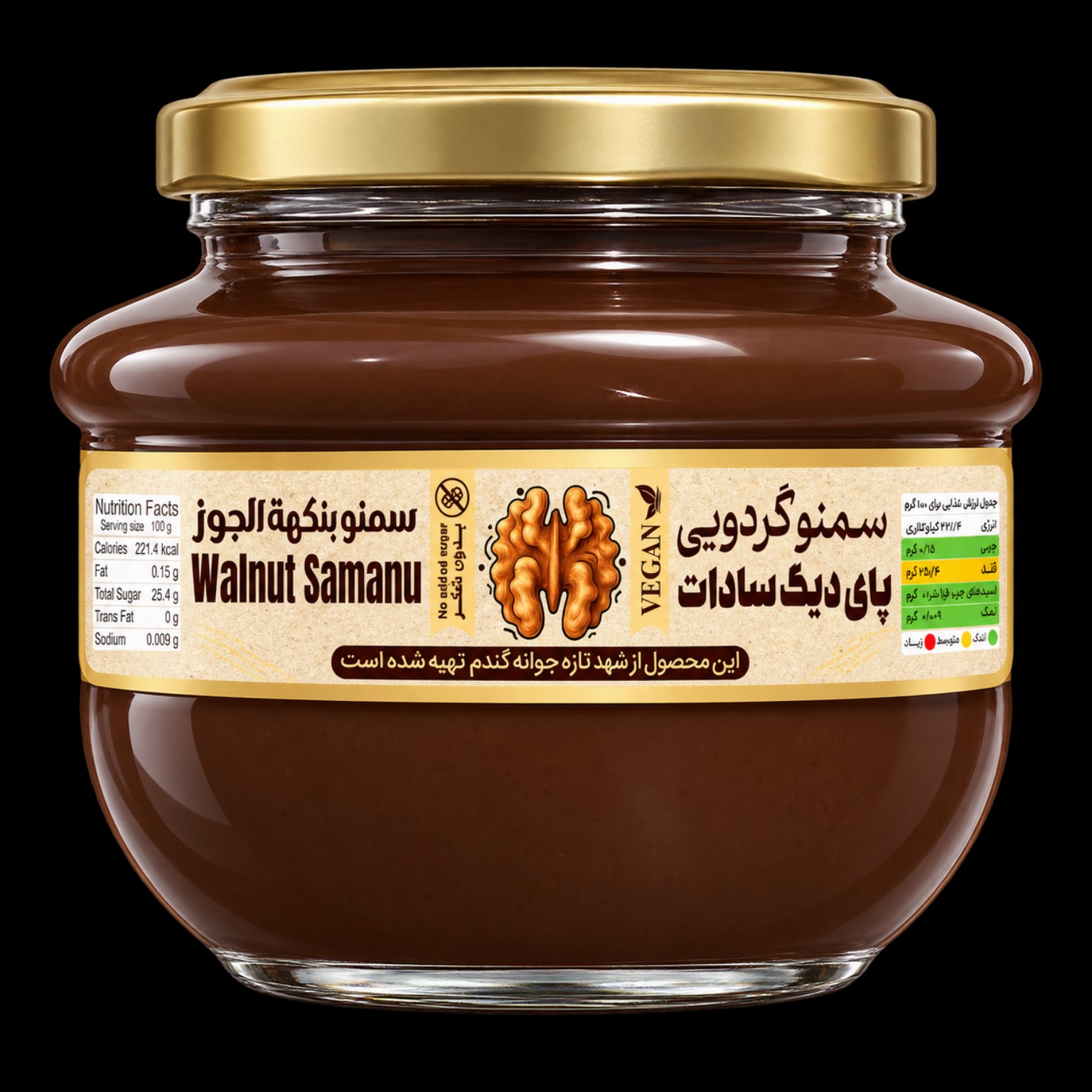
To store samanu, first read the instructions on its packaging. Once opened, ready-to-eat samanu needs careful handling and refrigeration. Use a clean, dry spoon, close the container and refrigerate it. Shelf life depends on production, packaging and the manufacturer’s instructions; one storage period cannot apply to every samanu.
Storing samanu before and after opening
Before opening, check the use-by date and storage temperature on the pack. Different packs may have different instructions. Avoid buying damaged or leaking packaging. After opening, follow the product’s instructions; contact the producer if there is not enough information.
In the refrigerator, keep samanu in a clean, sealed container away from raw foods and contamination. Use a thermometer to keep the refrigerator at 4°C or below. This is general food safety guidance and does not replace the product’s stated use-by period.
How long can samanu stay in the refrigerator?
The shelf life of homemade and packaged samanu depends on ingredients, production hygiene, temperature and whether the container is open. The date on a pack generally applies under the producer’s specified conditions; the time after opening may be shorter. If your product has no clear guidance, ask the seller or producer about conditions and how soon to consume it.
Can samanu be frozen?
If the manufacturer permits freezing, use freezer-safe containers and small portions. Leave room for expansion and label the date. Thaw in the refrigerator. Freezing may affect texture or flavour and does not kill most microorganisms. Suitable freezing periods depend on the product; ask its producer.
How long can samanu remain outside the refrigerator?
General food safety guidance advises leaving perishable foods at room temperature for no more than two hours, reduced to one hour above 32°C. If your samanu requires refrigeration, consider this during shopping, transport and serving. Follow the product’s instructions too.
What are the signs of spoilage?
Mould, unusual smells, suspicious changes in appearance, leaks or swollen packaging may indicate a problem. Do not eat a suspect product or taste it to check. Removing only a mouldy area is not a reliable solution; discard the whole product. Remember that contaminated food does not always have a noticeable change in smell or appearance.
Simple hygiene tips
- Use a clean spoon each time and do not return a used spoon to the container.
- Separate the amount you need and promptly return the rest to the refrigerator.
- For nut varieties, read the ingredients and allergy warnings on the pack.
- If storage conditions or product safety are unclear, contact the producer. When in doubt, do not eat it.
Frequently asked questions
Does a normal smell and appearance guarantee safety?
No. Some pathogens grow without a noticeable change in smell, taste or appearance. Storage time and temperature matter too.
Do all samanu products have the same storage conditions?
No. The pack’s instructions and information for that product provide a better basis.
For choosing a product, read our samanu buying guide. Visit the Paye Dig Sadat journal to learn about ingredients.
Food safety sources
- US Food and Drug Administration: Are You Storing Food Safely?
- FoodSafety.gov: Four Steps to Food Safety
These sources cover general food storage principles. They do not determine the specific shelf life of Paye Dig Sadat samanu.