
Samanu During Pregnancy: Natural Sugars, Portions and Gestational Diabetes

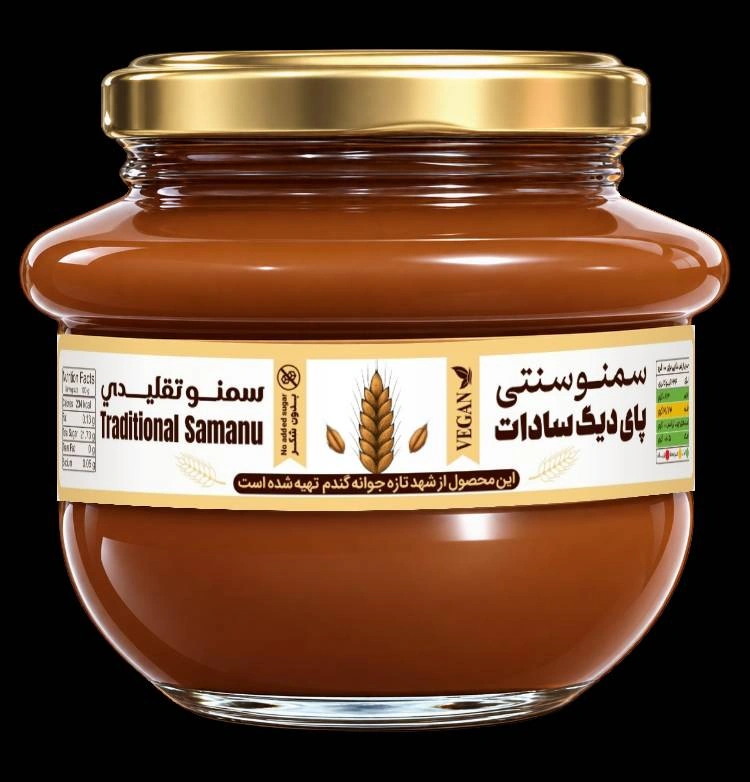
Samanu during pregnancy is a familiar traditional food for many families. Does natural sweetness mean it can be eaten without limits? What matters if you have gestational diabetes? The answer involves the ingredients, portion, blood glucose and hygienic preparation together.
The short answer: Based on general pregnancy nutrition guidance, our conclusion is that thoroughly cooked, hygienically prepared samanu can form part of a varied diet in an appropriate portion if you have no dietary restriction preventing it. However, “no added sugar” does not mean sugar-free or without an effect on blood glucose. With gestational diabetes, timing and portions must fit your care team’s plan. This is general educational information, not a substitute for advice from your doctor or dietitian.
In this guide: Samanu in your diet, natural sugars, gestational diabetes, portions, hygiene and allergies, and common questions.
Can you eat samanu during pregnancy?
NHS guidance emphasises variety during pregnancy: grains, protein sources, fruit, vegetables and other food groups belong together. No single food meets every need of a mother and baby. Assess samanu within your whole daily diet rather than treating it as essential or therapeutic. [1]
Samanu is generally made from sprouted wheat and flour, but recipes, consistency and additions vary. Read our introduction to samanu. The information on the particular pack matters more than general figures sometimes applied to all samanu products.
Does samanu with no added sugar still contain sugar?
Yes. Having no added sugar does not rule out sugars already present in food. “Total sugars” and “added sugars” are different labelling concepts. “No added sugar” refers to sugar not being added during preparation; it does not tell you the total sugars, energy or carbohydrate in a portion. [2]
For blood glucose decisions, the sugar line alone is insufficient. Starch matters too: the CDC explains that sugars and starches can raise blood glucose. Samanu made from wheat and flour therefore needs to be included when counting dietary carbohydrates. [3]
Samanu and gestational diabetes: what determines your choice?
With gestational diabetes, a universal rule such as “a few spoonfuls every day is fine for everyone” is unreliable. The NHS advises developing a food plan with a dietitian and monitoring blood glucose as directed by your care team. The product label and actual portion are useful information for that discussion. [4]
- Check carbohydrates per portion in the nutrition table; do not rely only on “no added sugar”.
- Count samanu towards the carbohydrate portion of the meal or snack. Bread, sweetened drinks and other foods eaten with it also belong in the plan.
- Do not assume traditional, walnut or almond samanu is more suitable for diabetes based only on its name. Compare the actual composition and quantity.
- Do not change medication, insulin or glucose monitoring times yourself to eat this food. Your care team determines your individual plan.
This article does not assign samanu a specific glycaemic index or call it “specially for diabetes”. Natural sweetness or sprouted wheat alone cannot establish such conclusions.
How much samanu should you eat during pregnancy?
An appropriate amount depends on the recipe, portion size, other daily foods and individual circumstances. The CDC does not set one carbohydrate amount suitable for everyone. Without product nutrition information and an individual plan, a fixed number of spoonfuls or weight cannot be prescribed for every pregnant woman. [3]
For a more accurate measurement, check whether the nutrition table gives values per 100 g or per serving. If it is per 100 g, calculate your chosen portion as follows:
Carbohydrate in your portion = carbohydrate per 100 g × portion weight in grams ÷ 100
This calculates carbohydrate only; it does not establish that the portion is suitable. With gestational diabetes, share the result and product label with your dietitian. Our samanu buying guide also helps compare packaging and ingredients.
Can samanu replace iron or folic acid supplements?
Do not use samanu instead of prescribed supplements. NHS guidance explains that obtaining the folic acid needed during pregnancy from food alone is difficult and supplements matter. Iron deficiency and the need for iron supplements also require assessment and advice from a doctor or midwife. The presence of a nutrient in food does not mean it treats anaemia or supplies the full daily requirement. [5]
The public sources used for this guide do not present samanu as a treatment for infertility, a way to improve a baby’s intelligence or appearance, or a replacement for pregnancy supplements. This article makes no such promises. Its purpose is to support an informed food choice within a varied diet.
Hygiene, storage and food allergies
Cooked samanu is different from raw sprouts
The FDA advises pregnant women to avoid raw or lightly cooked sprouts and cook sprouts thoroughly; washing alone does not eliminate every contamination risk. That advice concerns raw sprouts. Fully cooked samanu should not be treated as identical simply because sprouts are an ingredient. For homemade samanu, sprouting and cooking must also be hygienic. [6]
Follow that product’s storage label
Check intact packaging, a valid use-by date and clear storage instructions. Conditions may differ before and after opening. Use a clean spoon, and do not treat a normal appearance or smell as conclusive proof of food safety. The NHS also stresses use-by dates and preventing cross-contamination during pregnancy. [1] See our samanu storage guide for more.
Consider wheat, gluten and nuts
Ordinary wheat-based samanu is not gluten-free. People with coeliac disease need to avoid wheat and other gluten sources. Sprouting or cooking wheat is not a basis for presenting samanu as suitable for coeliac disease. [7] If you are allergic to wheat or nuts such as almonds and walnuts, check each flavour’s ingredients and allergen warnings before eating.
Common questions about samanu during pregnancy
Is samanu essential in the first trimester?
Do not regard it as essential or as a substitute for pregnancy care. A varied diet and supplements recommended by your doctor or midwife remain important. [1] [5]
Can samanu with no added sugar be eaten freely with gestational diabetes?
No. The phrase does not remove sugar or starch. Your portion must fit the product’s carbohydrate content and your care team’s plan. [3] [4]
Is nut samanu better for every pregnant woman?
The flavour name cannot establish that. Check the ingredients, portion and individual food allergies; one recommendation will not suit everyone.
What information helps with deciding a portion?
A photo of the nutrition table, the ingredients and the weight of your intended portion. With gestational diabetes, discuss these with your dietitian alongside your glucose monitoring plan. [4]
An informed choice in a new world of samanu
At Paye Dig Sadat, understanding ingredients and reading labels are part of choosing with confidence. Explore the samanu products for packaging options. If you have dietary restrictions, review that product’s information with your doctor or dietitian.
Sources and editorial approach
The Paye Dig Sadat content team prepared this guide using the public sources below. They address nutrition principles, carbohydrates, supplements and food safety; they are neither an endorsement of a particular brand nor clinical studies of samanu. This text has not undergone a dedicated medical review and is not personalised treatment advice. Last updated 28 October 2026 (6 Aban 1405).
- NHS — A healthy diet and safe food preparation during pregnancy
- FDA — Total and added sugars on nutrition labels
- CDC — Counting carbohydrates and managing blood glucose
- NHS — Gestational diabetes treatment and diet
- NHS — Pregnancy vitamins and supplements
- FDA — Food safety and sprouts for pregnant women
- NHS — A gluten-free diet for coeliac disease